
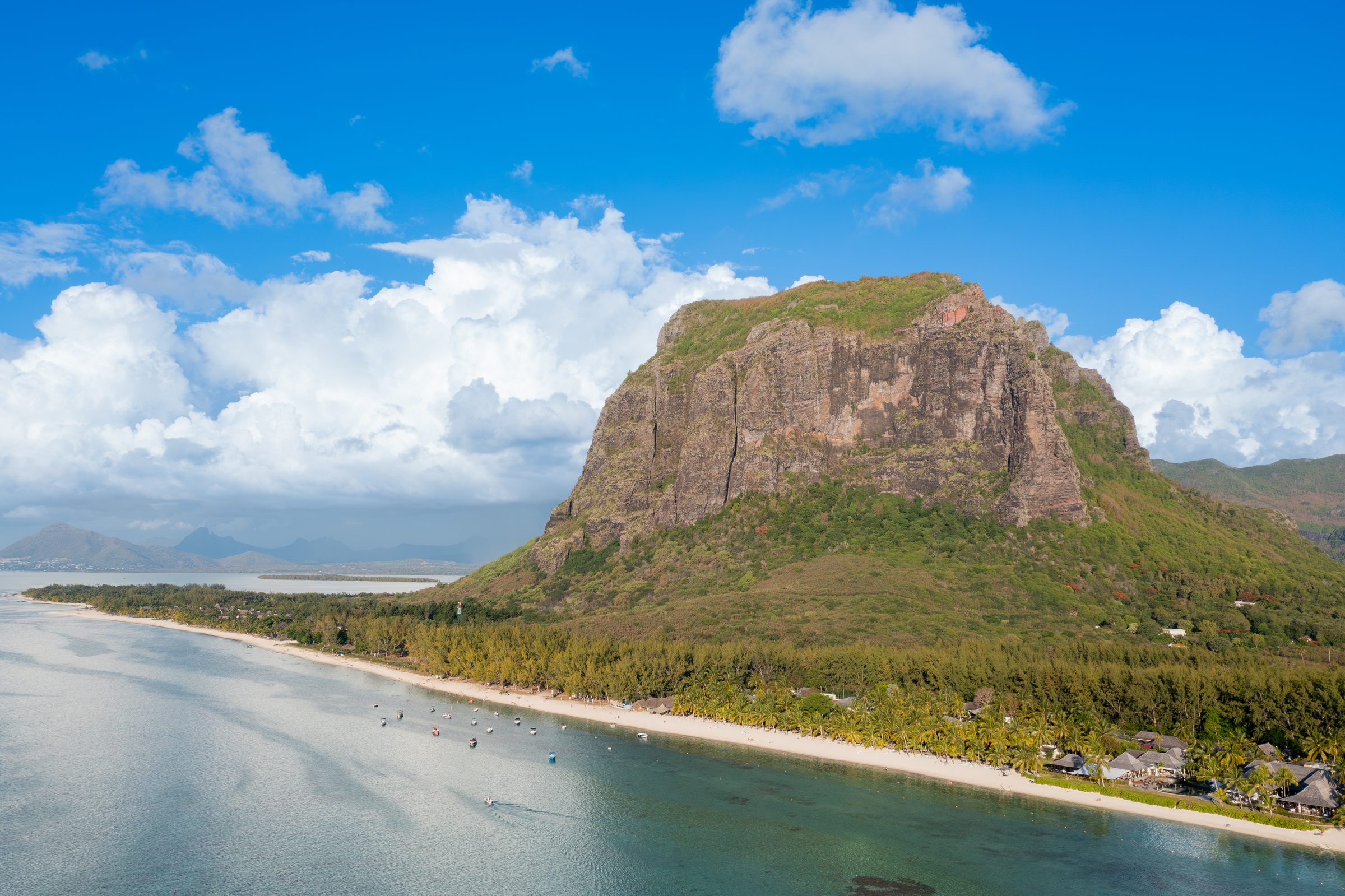
Mauritius
Generators, solar and standalone lighting.
Delivered and commissioned anywhere on the island.
Diesel for power. Solar for silent autonomy. Standalone lighting with nothing to install.
From 9 to 3000 kVA, soundproof canopy, automatic start when the power goes out.
Explore the diesel range →
Power stations from 640 Wh to 55 kWh, built-in inverter/UPS, fixed and foldable panels. Autonomy, in silence.
Explore the solar range →
Bedside lamp, wardrobe light bar: 1 to 180 lumens, motion or daylight sensor. The rechargeable models keep on lighting during an outage.
Explore the lighting range →In 2025, Mauritius generated 3,551.6 GWh of electricity, up 3.9% on 2024.
82.2% of the electricity generated in 2025 came from non-renewable sources: 2,919.1 GWh out of 3,551.6.
of Mauritian energy is imported, mostly fossil. The price of power is decided elsewhere.
The 2025 oil and coal bill, or 22.4% of everything the country imports.
An all-time record: 567.9 MW in February 2025, 8.0% more than the 525.7 MW of February 2024. In fifteen years, +25%.
The Energy Efficiency (Control of Non-Essential Grid-Powered Activities) Regulations 2026, Government Notice No. 50 of 2026, target the CEB's non-residential customers until 1st November 2026. According to the local press: decorative and façade lighting, advertising panels, air conditioning in empty premises, fountains, unused sports grounds.
According to the local press, rotating outages of 20 to 30 minutes in 2025, mostly between 18:00 and 21:30. In October, engines going down at Savannah and Belle-Vue opened a 55 MW shortfall.
According to the local press, no rotating outages in 2026 and peak demand held to 560.3 MW: a national saving campaign brought it down by about 40 MW between October 2025 and March 2026. The CEB is calling for non-essential uses to be cut from 18:00 to 21:00.
The CEB publishes its reliability region by region. SAIDI counts the hours of outage per customer per year; SAIFI, the number of outages.
It is getting worse: in the Centre, 2.49 h in 2020, 4.25 h in 2024; in the South, 3.31 h then 4.44 h.
The official length of the season. On 15 January 2024, cyclone Belal cut power to around 40,000 households in a single night and affected more than 100,000 people.
In gold: the cyclone season. February and March are the wettest months.
Intensity is read on another scale: tropical cyclone between 118 and 165 km/h, intense above that. Gusts recorded in Mauritius: Gervaise 280 km/h in 1975, Carol 256 in 1960, Dina 228 in 2002, Hollanda 216 in 1994.
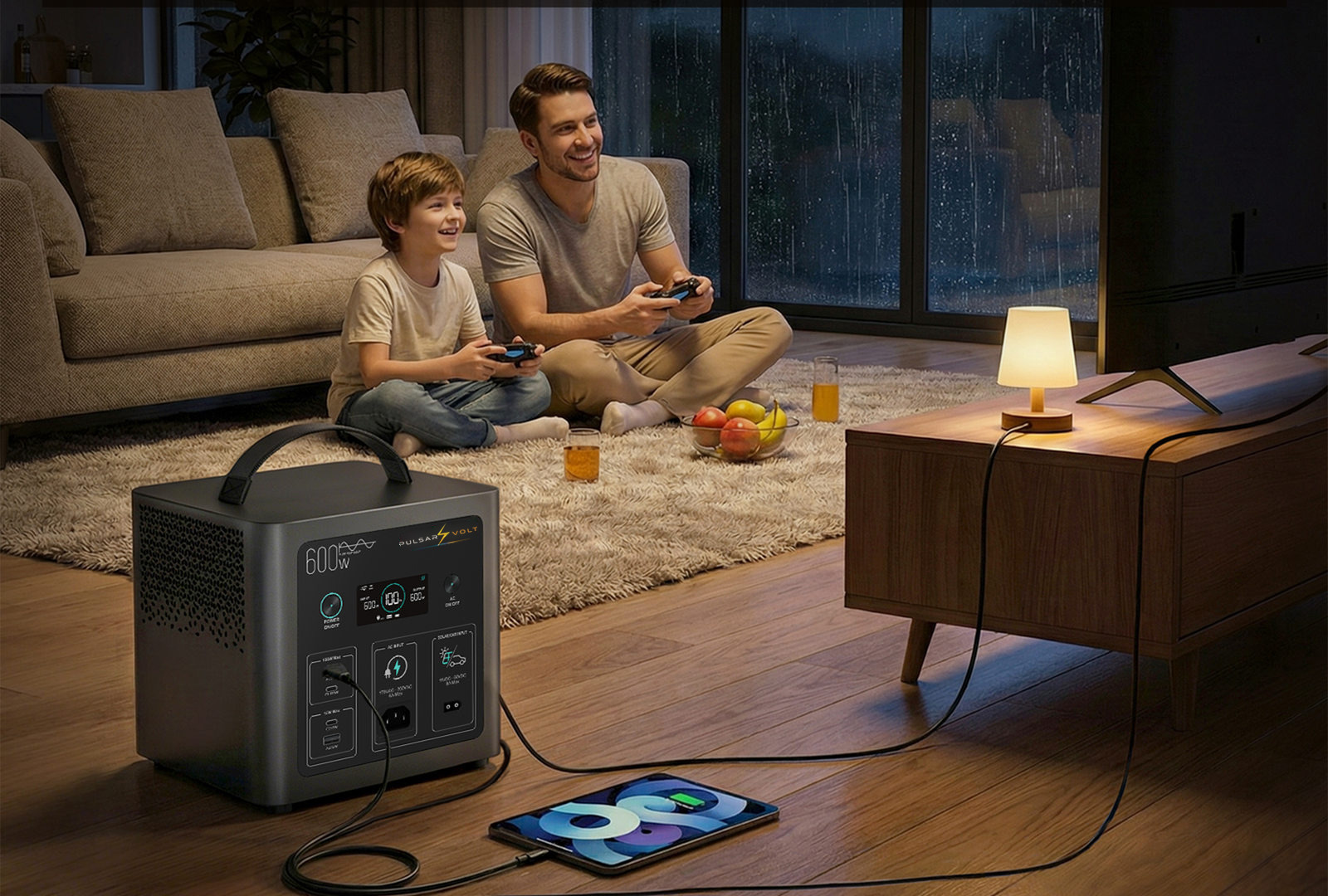
Energy should never keep you waiting. A power cut? You won't even notice it. The sun by day, diesel when it is needed: the power that never stops.
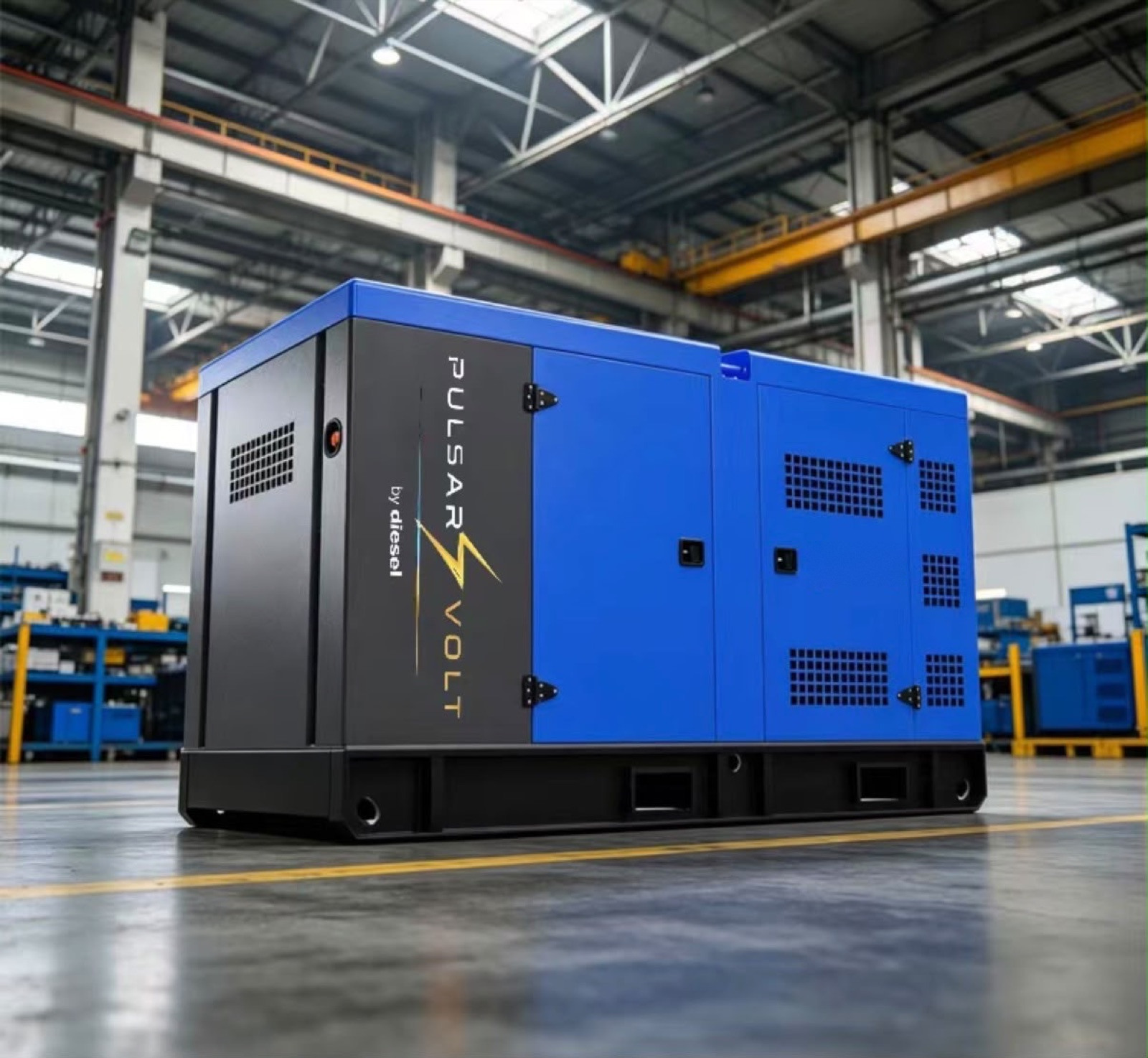
Every generator starts on its own, within seconds, the moment the grid goes down.
Average price recorded by Statistics Mauritius: what CEB customers actually paid per kWh, all categories together, excluding VAT and meter rental.
For industry it has almost doubled: Rs 3.61 per kWh in 2022, Rs 6.57 in 2025. Average price in 2025: Rs 6.52 domestic, Rs 9.02 commercial, Rs 6.57 industrial.
Mauritius receives 1,800 to 1,910 kWh of sunlight per m² per year, and 6.5 to more than 8 hours of sunshine a day. In summer the coast goes beyond 7.5 hours; the central plateau, about 6.
The optimal tilt and orientation here: we are in the southern hemisphere. Set up that way, one kWp produces 1,606 kWh a year in Port Louis (Global Solar Atlas).
At the same spot, the European Commission's PVGIS calculator gives 1,343 kWh per kWp per year, with 14% system losses. The gap comes down to the loss assumptions.
Mauritian photovoltaics went from 178.0 GWh in 2024 to 230.8 GWh in 2025. Hydro fell by 26.4% and wind by 21.1%, for want of rain and wind.
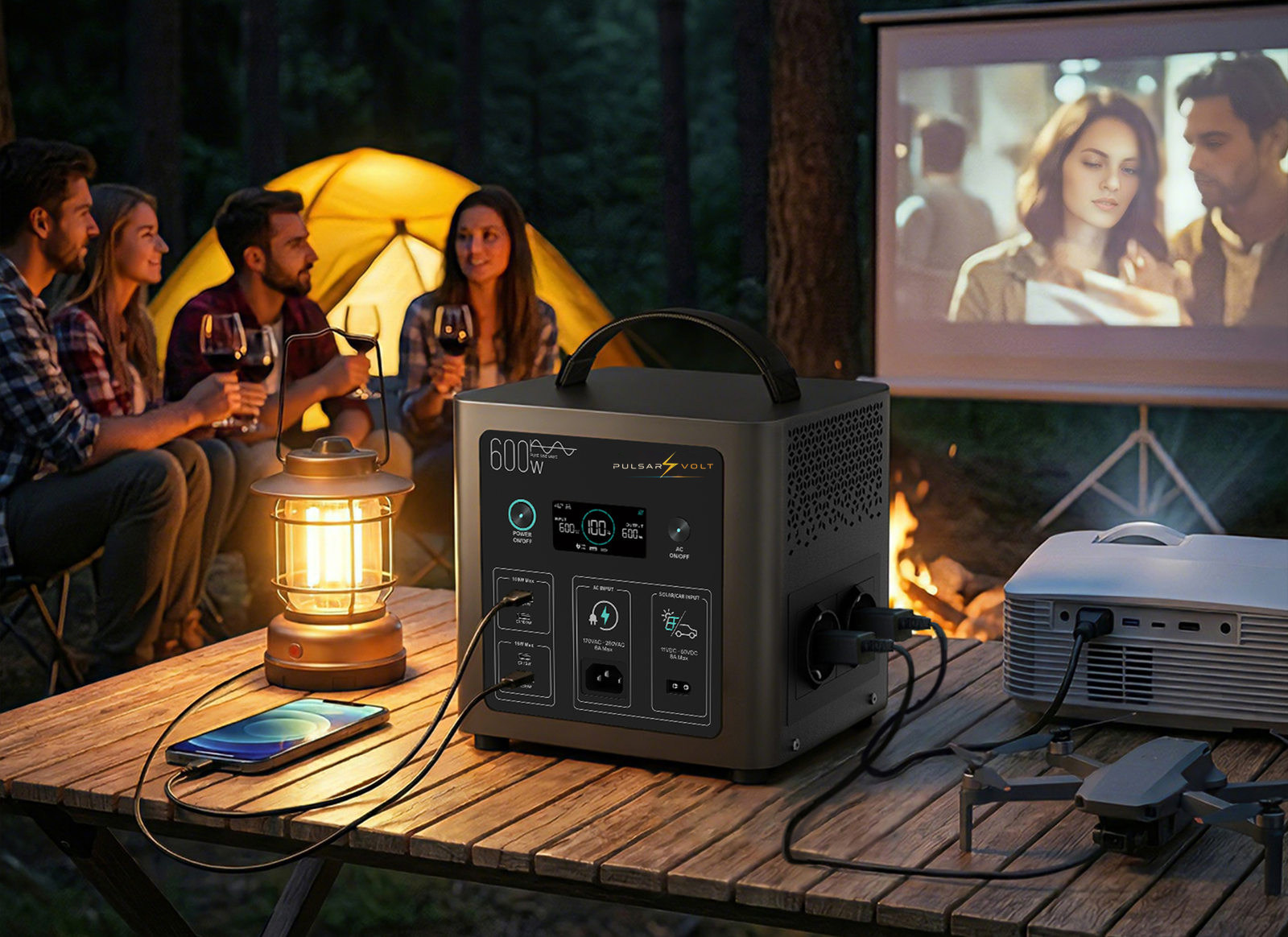
LiFePO₄ battery power stations: plug in, it works. At home they take over when the power goes out; outdoors they run everything, silently.
Mauritius is aiming for 60% renewables in 2030 and an exit from coal by the same date. The target, first set at 40%, was raised in the 2021/2022 Budget, ahead of COP26 in Glasgow.
The 2019 roadmap aimed for 35% by 2025; achieved: 17.8%. The share has been flat for fifteen years: 21.5% in 2010, 23.9% in 2020, 19.2% in 2022, 17.6% in 2023, 18.2% in 2024.
The amount costed by the roadmap to reach 60%, or about 59 billion rupees. It admits that replacing coal with intermittent sources “remains a major challenge […] for an isolated island with no interconnected grids”.
Automatic transfer, soundproof canopy, 400 kVA. Scroll down: it starts up.
Hotel, shop, worksite or home: we size the solution and reply within 24 hours.
Request a free quote